Not All Poverty Is Created Equal
We learned some great lessons last week in “community health evangelism” training (CHE). One principle we learned was that helping the needy in Majority (3rd) World countries can be divided in two categories:
- One category is called Relief – stopping the bleeding in emergency situations such as after an earthquake, hurricane or tsunami where people are completely helpless and needing gifts of food, water, and healthcare just to survive. Think of the Good Samaritan in Luke 10:30-37.
 The second category is known as Development – helping the needy by working with them to improve their general living conditions, developing their skills, giving them a hand up and not a hand out. Think of Israel leaving part of the harvest for widows like Ruth in Deuteronomy 24:19-22.
This second category is what I want to highlight. A central part of development is refusing to answer every problem with outside money, and refusing to do for people what they can and should do for themselves.
What is ABCD?
In the world of development, ABCD –  Asset-Based Community Development – is helping a struggling community improve itself by sitting down with residents and inquiring about what they already have.😊 When Moses resisted getting involved with God’s plan, God asked him, “What is that in your hand?” (Exodus 4:2). That’s where we begin. We look at what is, not at what is missing.
“What skills, gifts, abilities, tools, supplies, and time do we already have here in our community?” At first, many reply “nothing,” and you might agree at times. But as the moments go by, people start to mention things, and in time, you end up with a list. The CHE team does this in “neighborhood surveys” and then brings people together to discover how their combined skills and abilities can begin to make changes.
Gratitude turns what we have into enough.
 This approach promotes a philosophy of thankfulness and a “can do” spirit. In other words, a community looks to its own members to identify what assets are already present around them.
CHE teams share preventive health tips along with moral teaching and gospel truth. Having a good and meaningful life is not just physical well-being, but also emotional, relational, spiritual, and financial health that only the transforming gospel of Jesus Christ can bring. Even an atheist said so!
How are ABCD and Th(i)nkful similar?

By focusing on assets, we search for things that perhaps we had overlooked before that we can think thanks for. That is just what th(i)nkful is about – looking for things to think thanks about in every situation and expressing that thanks orally or in a written form.
God’s thanksgiving commands are not just for the rich and wealthy, but even for the majority of people in the world who are poor. And it is humbling, tear-jerking, and convicting to watch someone with nothing discover that they have enough to help someone else.
Emotions are real but they are not reality, and a dose of th(i)nkfulness can turn a pity party into non-stop praise for God’s provision. Th(i)nkfulness focuses on what God has provided and sees His meticulous Providence in keeping us from what is missing.
I ASKED GOD
I asked God for strength, that I might achieve.
I was made weak, that I might learn humbly to obey.
I asked for health, that I might do greater things.
I was given infirmity, that I might do better things.I asked for riches, that I might be happy.
I was given poverty, that I might be wise.
I asked for power, that I might have the praise of men.
I was given weakness, that I might feel the need of God.I asked for all things, that I might enjoy life.
I was given life, that I might enjoy all things.
I got nothing that I asked for, but everything that I hoped for.
Almost despite myself, my unspoken prayers were answered.
I am among all men most richly blessed.Anonymous Civil War Soldier

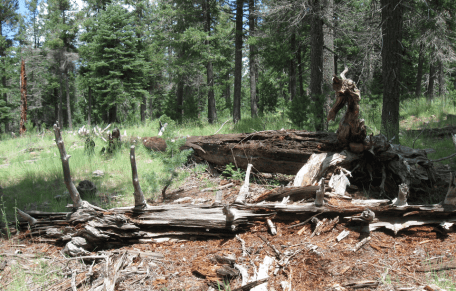
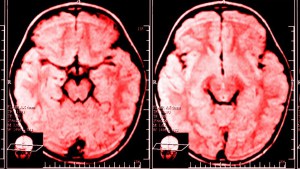 This is a visual of what happens when we constantly complain.
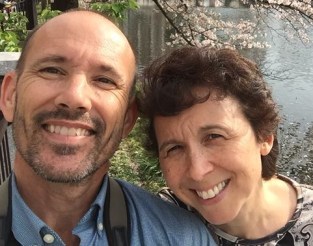 Jane Gibb, a dear co-worker of mine, shared with me how she was struggling with some stress at a particular time. She decided to engage thinking thanks about that situation, and as she cultivated the thought pattern of looking for things to give thanks for in her situation and started writing things down, the stress lessened. She benefited. She was putting God’s Word into practice by renewing her mind.


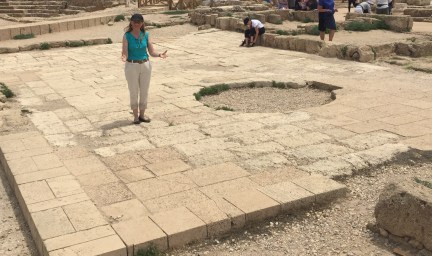
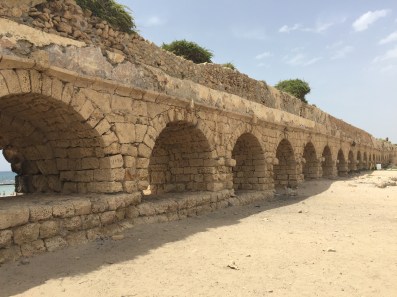 that used to bring down fresh water from the foothills of Mt. Carmel are now dried and cracked.



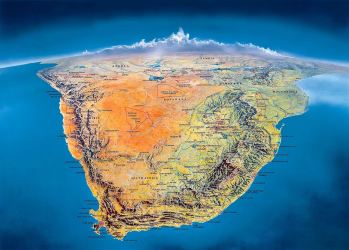 David and I are moving back to South Africa in a few months. We will go alone to this land; we will leave family behind. We plan to study the Zulu language diligently, and then teach the Bible, theology and counseling to emerging Zulu leaders, and help them begin a church-planting movement.



 “
“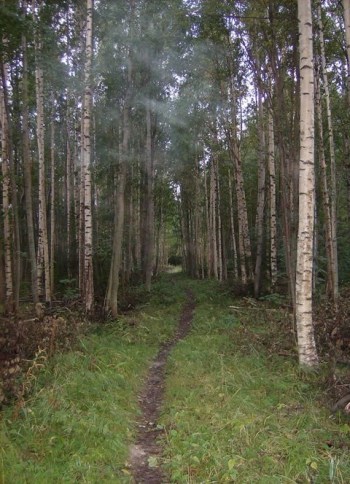 ng thinking thanks takes time. You have to see progress in little steps at a time. Think about that path through the woods. As you step by step conquer the mess, soon the path becomes apparent.