Thankful for Fifi

Causing More Thanksgiving

This is Fifi!!

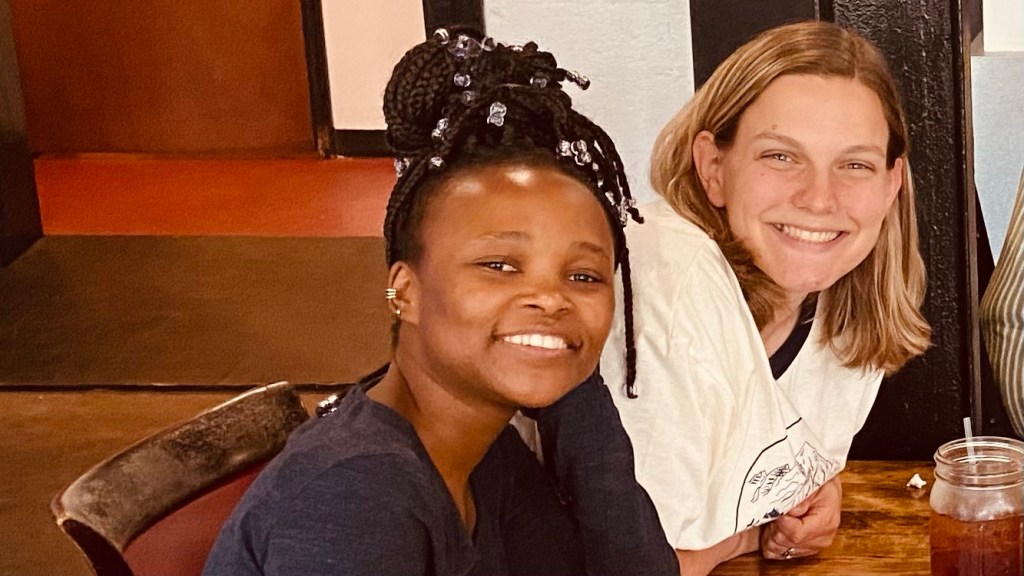
I met Fifi for the first time five years ago. She was a 7 Rivers Outreach missionary living on the farm. As we got into the work here in KwaZulu-Natal, I began to understand how valuable this little giant was to the team.

Born on the side of the road in Amahlongwa and facing abuse while growing up in the community around 7 Rivers, Fifi knew the people, the history, and the challenges.

At the age of 16, she trusted in Christ alone for her salvation. It was not easy, but she had watched her adopted father minister to others in home-based care, interpreting while her father shared the gospel with them. Her heart had been touched and softened. One day, she bowed to the Lord and received His precious gift of forgiveness of all her sins, from the cradle to the grave.

Fifi then went to Word of Life Bible Institute for a year to grow in her Bible knowledge and walk with Christ. Afterwards, she amazingly returned to 7 Rivers to work as a missionary, visiting homes and sharing the gospel predominantly with our nearby children. When others would typically run away from such a past, Fifi returned.

As believers in Jesus Christ, one of our motivations for sharing the gospel is that the more believers there are, the more thanksgiving will be given to God. Fifi has been a faithful evangelist in the valley for years now, speaking about Christ with her peers, running a kids’ soccer ministry several times a week, and helping me by interpreting our weekly evangelistic Bible studies with local marginalized women. As a result of her work, more people are giving thanks to God.

For it is all for your sake, so that as grace extends to more and more people it may increase thanksgiving, to the glory of God.

2 Corinthians 4:15

Pulling In Closer

I got the privilege of mentoring Fifi. We would meet to study God’s word together, memorize Scripture, talk about how the Bible was worked out in our daily lives, and close by praying together.

We must have gone through at least three to four books together. Godly, wise counsel often comes from good books. One great one that we worked through was “Putting Your Past in Its Place,” by Steve Viars. That is one we both would highly recommend.

Fifi is so edifying to me personally. I love to hear her pray. She has a heart for sharing the gospel and see people’s lives change.

Glorifying God in the Waiting Room

Wait for the Lord, be strong, and let your heart take courage. Wait for the Lord.

Psalm 27:14

Fifi had her share of disappointments, but God was always there, guiding and comforting her. We prayed often together that God would bring a godly man into her life if that was His will. I remember distinctly when she finally said that she was not looking anymore. She was going to just obey the Lord and work for Him and not worry about getting married.

Funny. Right after that, God brought Bongani into the picture. God often seems to do that. He wants us to yield to His choice, His time, and His ways.

Only God could have brought this couple together. She didn’t think he existed; he didn’t think she existed. But then there was a conference at which they met. So thankful for God’s ways and purposes.

They get married next month. So happy for them.

Thinking Thanks

As we approach the time Fifi will be leaving us, I wanted to express my thanks to God for this lady.

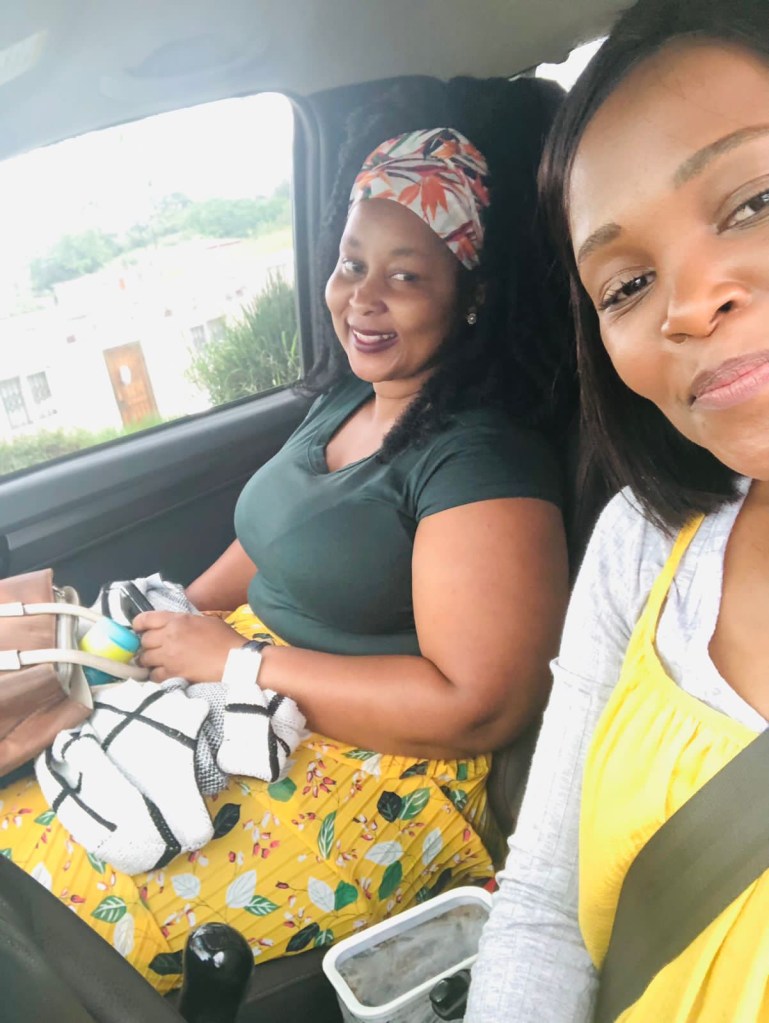
Fifi loved so many people in the community and helped them. Here she is giving Mabongi a ride.

Fifi interpreted faithfully for me as I taught the ladies through Colossians, then James, and now the Gospel of Mark. She wants the handout early so she can carefully prepare to use the right Zulu words. She takes God’s Word seriously and wants to be pleasing to the Lord in how she gets the meaning across.

But…..Fifi’s heart was with the kids. She loved the children and wanted them to be safe and to be able to hear about Jesus and the hope we have in Him. That is why she is so excited about the construction of the Thola Centre in the nearby village of Olwasini. 🙂

We had the privilege of having Fifi stay with us in the US for a short time and she was even a blessing to our daughter Elly, who designed the African dolls that we sell.

Thankful Admonition

So as we go through this season of wedding preparations, I wanted her to remember lessons we studied together when we memorized Colossians 3. I shared these seven reminders:

  • Set your mind on things above (vv 1-2)
  • Put on compassionate hearts…. forgiving each other (vv 12-13)
  • Let the peace of Christ rule in your hearts (v 15)
  • Be thankful (vv 15-17)
  • Speak and sing God’s Word to each other (v 16)
  • Submit and pray for Bongani (v 18)
  • Work heartily as to the Lord (v 23)

God is faithful through every season of life. We will miss our Fifi so much, but we are thankful for the new challenges that lie ahead for her and for us. God is faithful every step of the way until we finally get to see Him face to face.

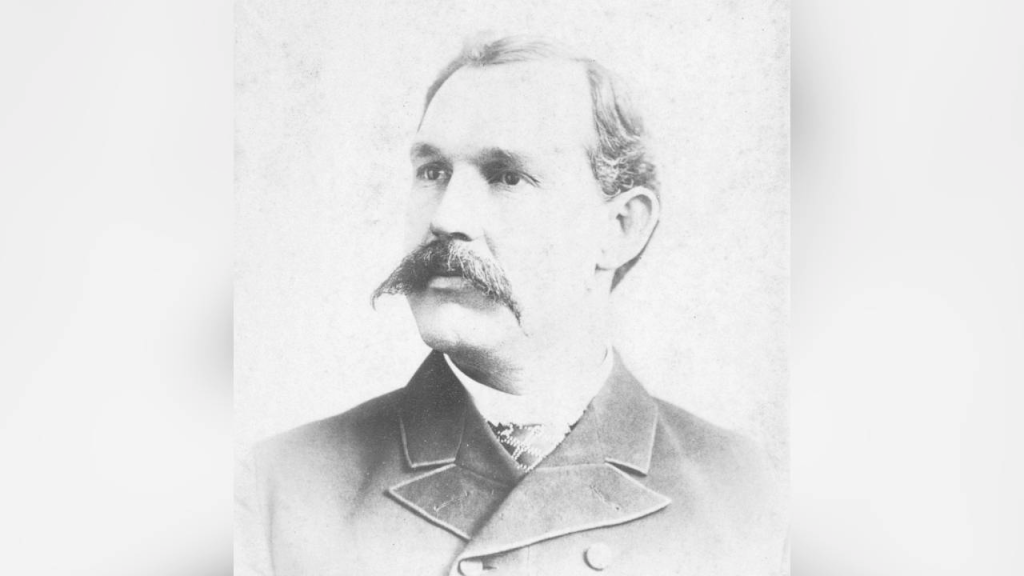
“The unthankful heart discovers no mercies; but let the thankful heart sweep through the day and, as the magnet finds the iron, so it will find, in every hour, some heavenly blessings!”

Henry Ward Beecher
(1813-1887)

Can You Thank Me?

Helen’s Story

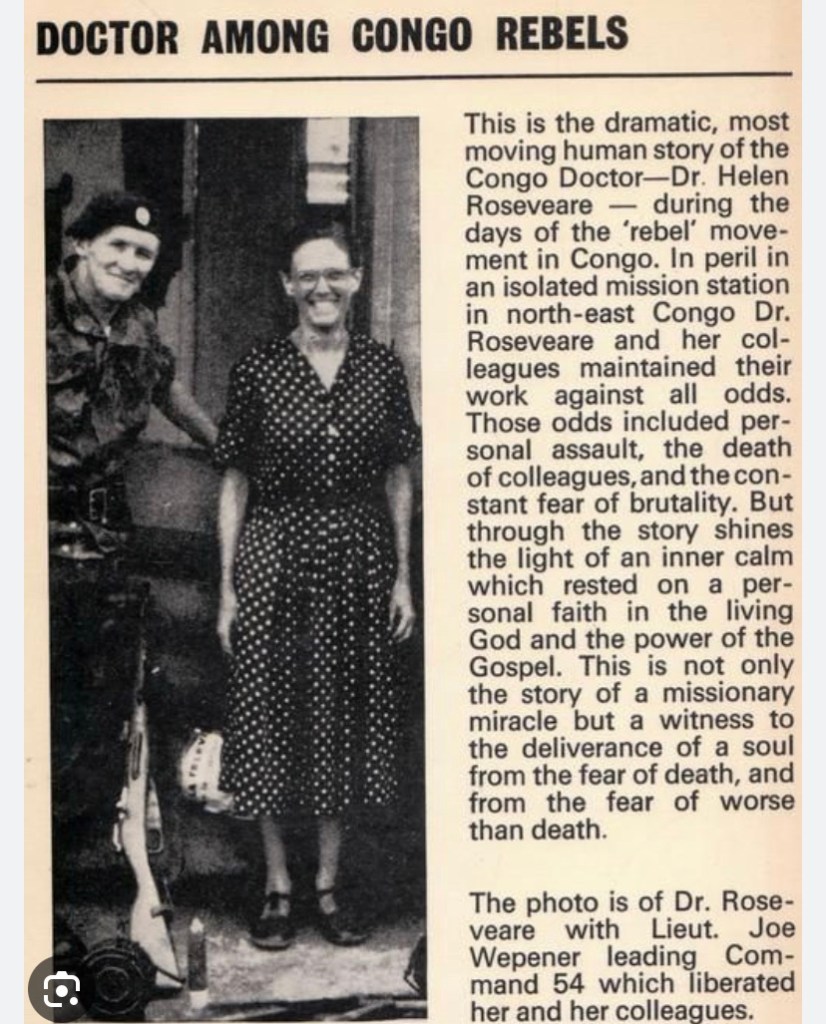
Helen Roseveare was being forcibly pushed down the corridor of her simple Congolese mission home. The Rebels had attacked. Now it was her turn. They had smashed and demolished her home, saying they were looking for something.

As she was being physically abused, her mind called out to God, “Where are you?” Suddenly, she felt His presence and it was like He was asking her a question:

“Can you thank me for trusting you with this hard experience even if you don’t know why?”

The way we view God says everything about us.

“What comes into our minds when we think about God is the most important thing about us.”

A.W.Tozer

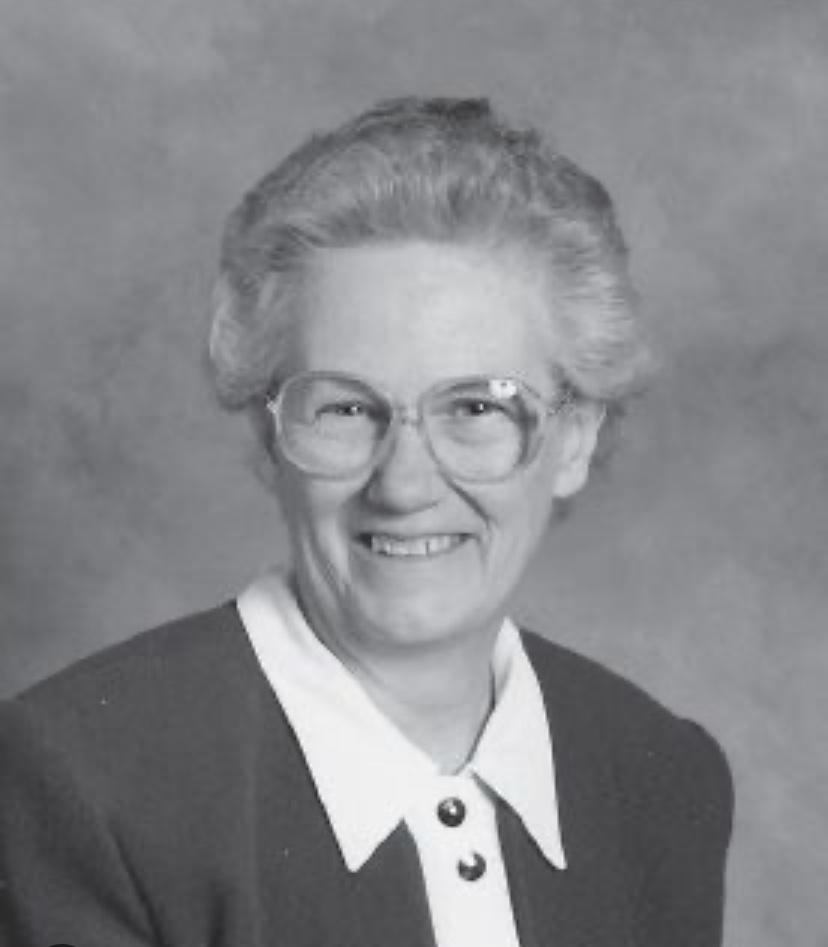
Helen Roseveare was a servant of the Most High God who had given Him her life, her everything. After graduating from Cambridge Medical College she wanted to spend her life serving God as a missionary. She studied tropical medicine and French, and then took off for the Congo.

The Lord allowed great suffering in her life, but she was able to process her trauma as a privilege to enter into the fellowship of His sufferings (Philippians 3:10).

Grace Infusion

My husband and I are serving in KwaZuluNatal, South Africa. We are involved in a rural ministry called 7 Rivers Outreach based out of nearby Grace Baptist Church in Amanzimtoti. Recently we began building our first Community Centre called the Thola Centre. It is so exciting to see the walls being built and to imagine the ministry that will take place within those walls. We, too, are looking to build a health clinic at that site. It will not be a hospital or even close to what Helen Roseveare was involved in, but it will be a start.

When I read about Helen’s attitude when she went though such hardship, my heart was pricked. Would I have responded in that manner? I am not sure I would have. I marveled at the way she was processing things that could have completely destroyed her. Even when enduring the gruesome act of rape, she said that she had given her body to the Lord and that when they hurt her, they were hurting the Lord Jesus. If you are interested in learning more about Helen, click on her name above.

When we go through different kinds of “hard,” there is a grace infusion into us that is not normally there. With the trial comes the grace. I can walk with my God, my Abba, my Shepherd today and know that He will never leave me, nor forsake me. He has promised to be with me to the end of the age. Helen’s faith enabled her to download that grace infusion to process her trauma with His help.

Can You Thank Me?

But with a great trial and His grace-infusion rising in equal measure, God at times communicates inaudibly to your soul. Amidst all the noise and jostling, she heard Him ask her something. She later wrote about His puzzling question:

“Can you thank me for trusting you with this hard experience even if you don’t know why?”

There is a big difference between thanking God in the trial and thanking God for the trial. When we fully are able to see God as completely sovereign and trustworthy, we move into a different category. God would give both a sense of His presence and His grace to mentally-emotionally process the trauma she would go through. Like Israel, God would send her through fire and deep waters, but He would be with her.

“When you pass through the waters, I will be with you; and through the rivers, they shall not overwhelm you; when you walk through fire you shall not be burned, and the flame shall not consume you.” (Isaiah 43:2)

Toward the end of his trial, God communicated with Job, not answering why he was suffering, but describing His own creative genius and power such that Job was left speechless. When Job got this inside and over-the-top view of who God really was, he was able to process his trauma differently. Instead of accusing God, Job put his hand over his mouth (Job 38-42).

God is God, and I am not.

“Whatever the LORD pleases, He does, in heaven and on earth, in the seas and all deeps.”

Psalm 135:6

Lord, help me to trust You even when I don’t understand all that You are doing. Help me to walk by faith and cling to Your grace and peace.

Helen went home to be with the Lord at the age of 91. The Lord was faithful to her to the end. He didn’t shield her from harsh difficulties, but He helped her through them. She was even able to be thinkful, to think thanks for the most gruesome happenings, because she fully acknowledged the control and unknown purposes of her Master and Savior (Isaiah 55:8-9) and she entered into the fellowship of His sufferings (Philippians 3:10).

Th(i)nkful to be Worthy

Stripped and Beaten

“The crowd joined in attacking them, and the magistrates tore the garments off them and gave orders to beat them with rods. And when they had inflicted many blows upon them, they threw them into prison, ordering the jailer to keep them safely. Having received this order, he put them into the inner prison and fastened their feet in the stocks.”

Acts 16:22-24

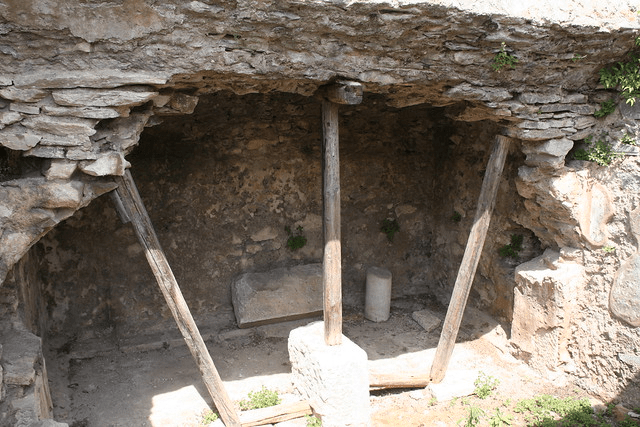
This photo is the alleged site in Philippi in which Paul and Silas were thrown into prison.

Paul and Silas had been obeying God and had shared the good news of the gospel with the people of Philippi. The Lord had opened one lady’s heart to the message; Lydia repented and believed. This was a new type of city for Paul on his missionary journey. He was trying to stay in Asia Minor (modern Turkey), but God had miraculously led him to cross over to Europe, to Macedonia. Philippi was the first stop. They didn’t even have ten devout Jewish men in that city to justify a Jewish synagogue.

Lydia, a business woman who dealt in purple fabric, was the first European convert. On the other end of the social spectrum was a slave girl who was demonized, and through the Apostle Paul’s prayer and rebuke, she was set free. These two were certainly very unlikely beginnings for a missionary’s church-planting strategy on a new continent. God works in mysterious ways. His ways are so much better than our ways.

But then Paul and Silas, in God’s providence, were taken captive and abused. This was illegal since they were Roman citizens. But the LORD was working out His plan through the stripping and beating and imprisonment. He loves His children, but often uses their suffering in this fallen world to accomplishes His greater purposes. Think Jesus.

Worship is Responding to God’s Sovereign Control

This is one of my favorite accounts in scripture. Paul and Silas were so convinced of the Lord being with them and working through their hardship that they reacted with worship!!! Can you believe it?

“About midnight Paul and Silas were praying and singing hymns to God, and the prisoners were listening to them …”

Acts 16:25

They were thinking thanks. They were th(i)nkful! They were rejoicing that they were counted worthy to suffer for Jesus’ sake. They followed the example of the other apostles in the first church in Jerusalem (Acts 5:40-41). Perhaps they thought, “We are privileged to suffer at the hands of religious and government leaders … just like our Lord Jesus. We must be doing something right, and God must be doing something good!”

When we encounter hardships, do we have this kind of reaction?

It is interesting to note that the other prisoners were listening to Paul and Silas praying and singing. Who sings in prison? They were pondering these echoing words of worship, which had to be sincere because there was no visible audience, and most prisoners would say that their god was punishing them or had failed them because they were in prison. But not these two.

The other prisoners also witnessed the miracle that God was about to perform.

God Intervenes

“… And suddenly there was a great earthquake, so the foundations of the prison were shaken. And immediately all the doors were opened, and everyone’s bonds were unfastened.”

Acts 16:26

The LORD God chose to intervene and send an earthquake and break the chains. This resulted in the Philippian jailer believing in the Lord Jesus Christ. His family also believed when they heard Paul speak. They were baptized right then. Wow!

How Does That Affect Karin?

On July 2, my husband and I arrived in the US after a long 43 hour trip from Amanzimtoti, SA. We were weary from a very full and demanding week of our first 7 Rivers children’s camp. Switching cultures can be exciting, but also draining and difficult when you are bone-tired. We felt low. It was even David’s birthday and I felt I had not properly prepared enough to express my deep, deep love and gratitude for my dear husband.

Sleep is a very good thing! The next morning we both were encouraged to keep on keeping on. Then I listened to a message that our son Joshua had preached the day before. It was on Acts 16:11-40. As the Spirit spoke through His Word and through our son, my faith was edified. I started to meditate on Paul and Silas praying and singing in that prison. I started to think about how God uses weak things to do His work….. like using me. He is the One that deserves all the glory. He delights in our weakness so that His strength can be made perfect in us.

Thank You, my Father, for helping me look to Jesus. This world is passing away. We must have ETERNITY stamped on the back of our eyelids. We look to Jesus, the Author and Finisher of our faith, who for the joy that was set before Him, endured the cross, despising the shame…. (Hebrews 12:2).

How Does That Affect You?

Do you respond to whatever is difficult in your life like Paul and Silas did in the yucky prison in Philippi? They saw God’s hand in their circumstances, and they practiced God’s presence by singing to Him.

God is micromanaging the good and bad circumstances in your life. Bad things happening has nothing to do with the way God feels about you if you are a true born-again believer. Jesus lived in near constant heat and discomfort without running water, electricity, or wifi, pressed by the crowds, traveling constantly, sleeping under the stars often, verbally abused and gossiped about by leaders, misunderstood by His disciples, and eventually betrayed by one of His own. This is the type of life the Father chose for the Son of His love.

God is not primarily our friend. He is the Author of history who is working out His infinitely complex plan. He is our Father. He is our coach putting us through structured suffering at times. And God is watching. And God rewards. Think thanks to God that you are loved and part of His plan, that He is in control, that His character is fully trustworthy, and that His mercies are new every morning.

“Behold, the eye of the LORD is on those who fear Him, on those who hope in His steadfast love.”

Psalm 33:18

Response to Angst?

Eric Liddell

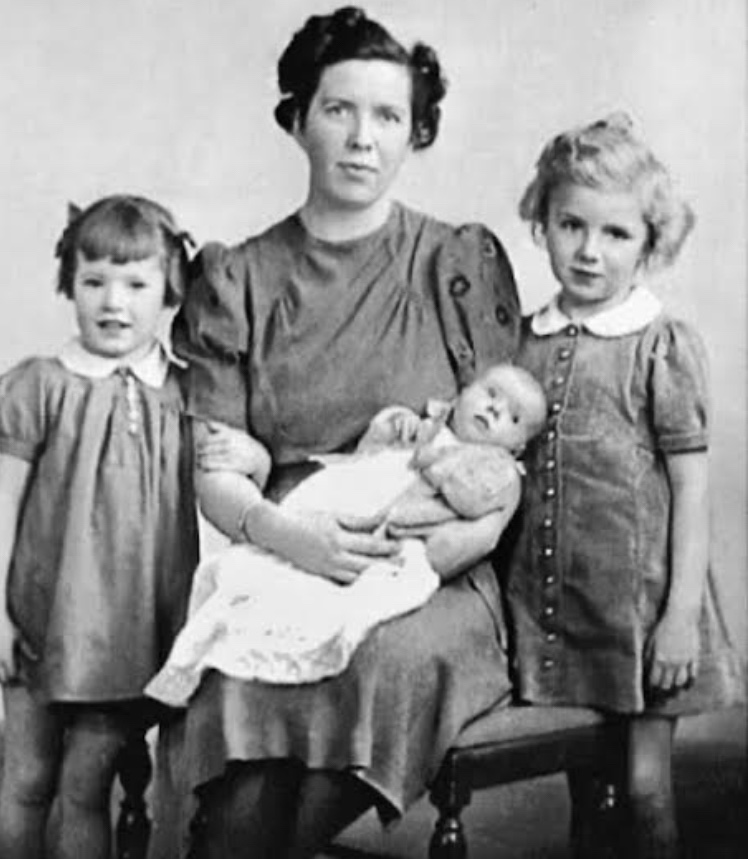
“Don’t go, Daddy!” The girls clung to their dad as he tried to go, walking towards the gangplank. Flo tried to think that it would only be a short time before Eric would join her and the girls in Canada. WWII had begun, and the roil in Europe and the Pacific was demanding many sacrifices from everyone.

The Japanese invaders had given foreigners in China the option to leave or to stay in “internment camps.” The Liddells had both felt that the Lord wanted Eric to stay and help with the work as much as he could, but Flo, expecting their third, and their two precious girls would head to Canada for safety.

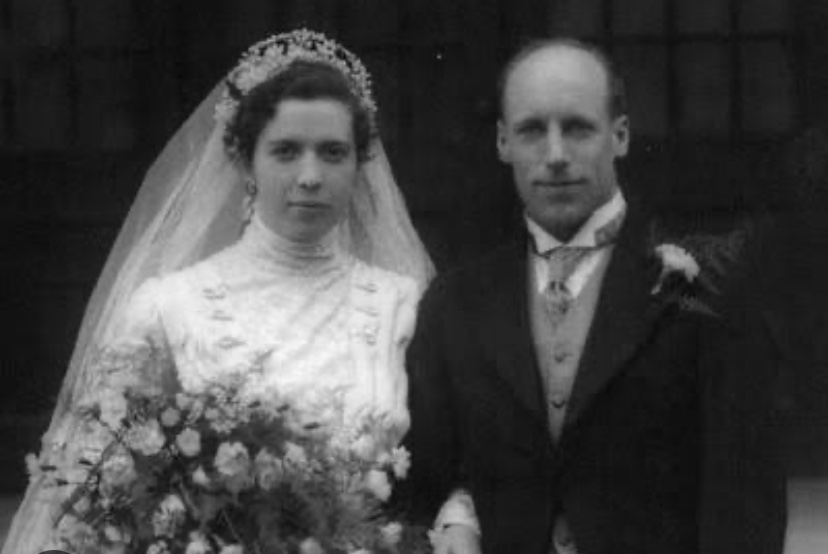
Eric and Florence had met in China, both being from missionary families. Eric had used his athletic prowess to further the gospel. Although an Olympic champion, he chose to spend his life on the mission field in China, where he was born.

Eric Liddell would never see his dear wife and beautiful girls again. He died in the Japanese internment camp. I will not spoil it for you, but wow, this was a good biography.

How Flo Reacted

The news of Eric’s passing would be brought to Flo’s door in Toronto, Canada.

She had been able to have contact with Eric to a degree, but things had become more sporadic as the war progressed. There was such hope and vision of being together again in the near future. The news came as such a heavy loss. Eric had succeeded in being a humble, cheerful, and encouraging person who was full of optimism even in dire circumstances in that internment camp. Now she had to find a new normal without him. She had to provide for the girls. The mantle was daunting.

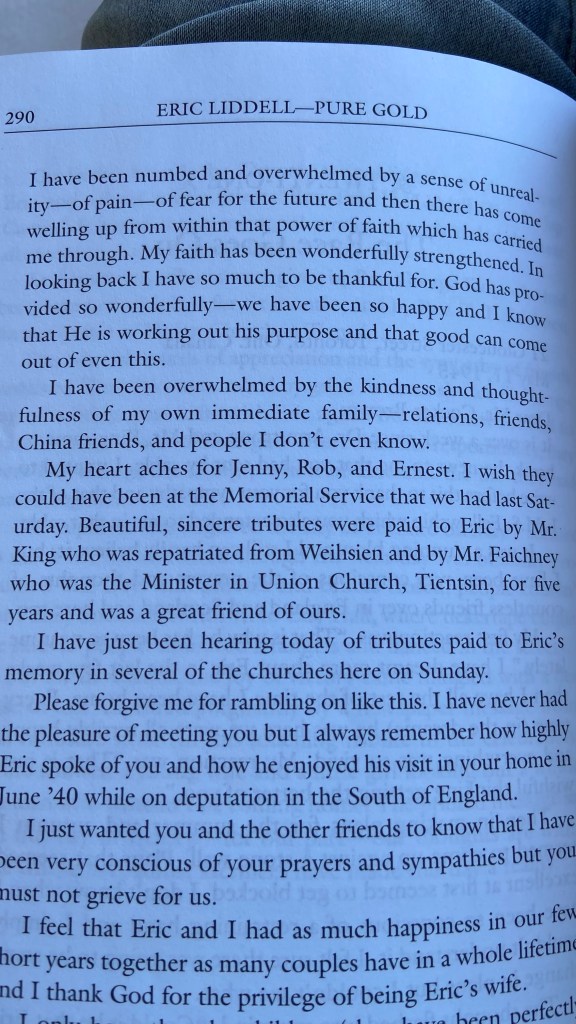
As I read this biography of a person David and I highly admired, I was impressed with the words that Flo penned shortly after his death.

“I have been numbed and overwhelmed by a sense of unreality – of pain – of fear for the future and then there has come welling up from within that power of faith which has carried me through. My faith has been wonderfully strengthened. In looking back I have so much to be thankful for. God has provided so wonderfully – we have been so happy and I know that He is working out His purpose and that good can come out of even this.”

Florence Liddell

The grieving process took its time with great challenges, but underneath were the everlasting arms of her Savior.

She chose to think thanks even when ambiguity and anxiety could have drowned all hope.

When reading about Flo’s response to the horrific news that her husband had passed away, I could not get over the grace that seemed to pour into, and then out of, her.

She utters her numbness and feelings of being overwhelmed, but she also expresses her faith being strengthened, and she notes how many things she is thankful for, like having enjoyed as much happiness in a few years as many couples did in a whole lifetime.

Two Heros

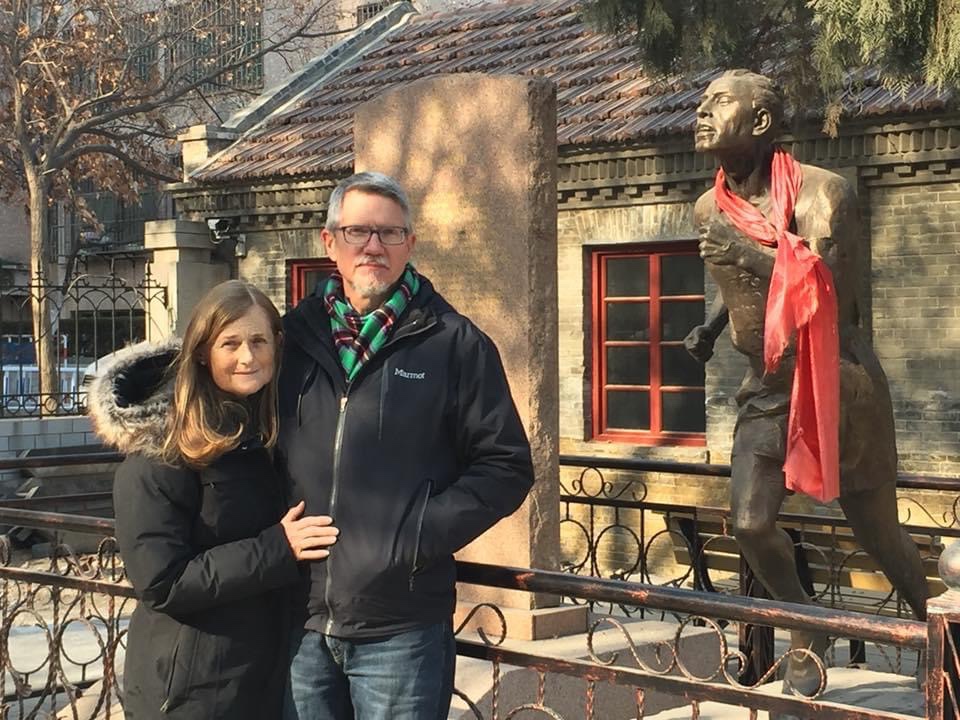
My husband and I have admired Eric Liddell for a long time. He is one of our heroes. His humble and kind way with believers and nonbelievers, his mediating disputes between people in the internment camp, his counseling of teens, and and his organizing activities for teens and children in the internment camp were evidences of his dogged commitment to Christ and to being Christlike.

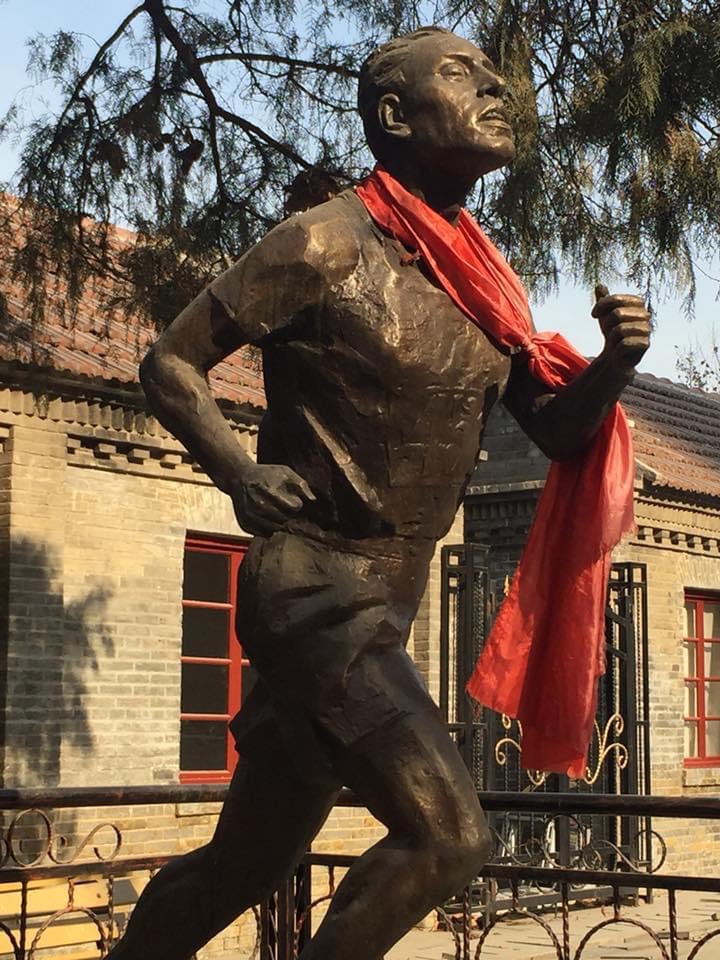
When visiting our daughter and her husband in China back in 2018, we had the privilege of seeing the place where Eric died in that Japanese internment camp. It is in Weifang, China. There is a lovely Chinese memorial to all those who lived and died in that camp, and a special statue to Eric, whom the Chinese claim as the first person from China to win Olympic gold.

Learning more about Florence Liddell has given me fodder to have two Liddell heroes; not just Eric but his wife as well.

I wonder how I would have responded in similar circumstances? How would you have?

Fostering a thinkful habit of always looking for things for which to be thankful is beneficial indeed. In everyday life, it bolsters our perspective and strengthens our faith as we joyfully obey the I Thessalonians 5:18 command of giving thanks in all circumstances.

But when those once-in-a-lifetime heavy blows come, thinking thanks is a matter of life and death – of angst, bitterness, and even insanity on one hand, and of perspective, trust, and recovery on the other. Unless we have a relationship with the Sovereign One who can be trusted in all the unexpected (for us) events that come, we are doomed.

Challenge

So what about you? Do you have a heavy, big blow that has come into your life? Has it already passed? Perhaps it has not come yet? What are you doing to prepare yourself to weather the storm that surely will present itself?

Put into action today the pieces that build a strong foundation in your mind when the battle engages. It is almost impossible to start forming a godly habit as the bullets fly, the cannons flare, and the missiles howl. You must have forged those convictions before the combat begins.

Develop a daily habit of recording things for which you give thanks…. from the mundane to the big.

Exercise a Psalm 50:23 way of life:

“The one who offers thanksgiving as his sacrifice glorifies me: to the one who orders his way rightly I will show the salvation of God.”

Psalm 50:23

I Receive Your Care

Worldwide Thank You’s

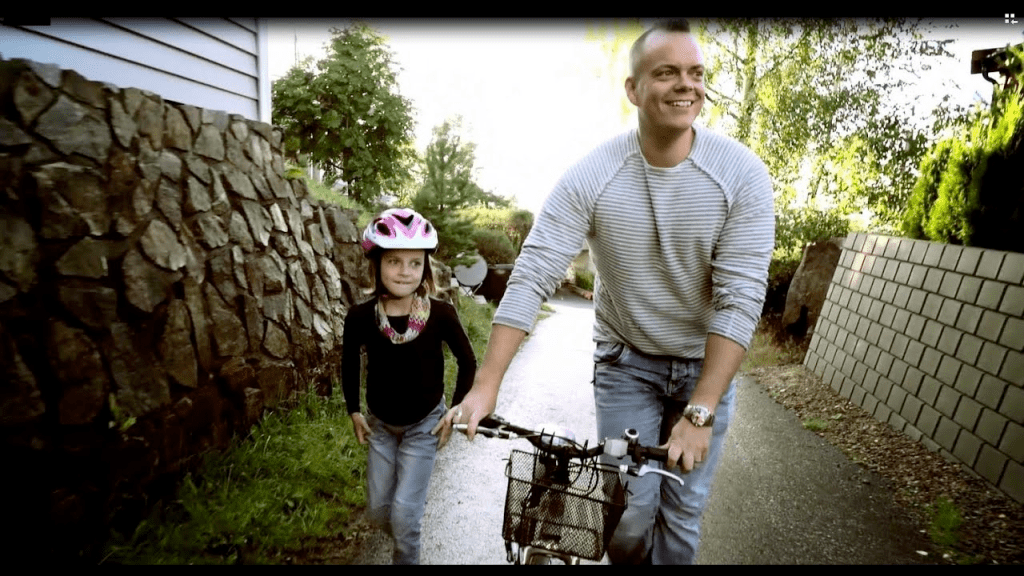
Tusen takk,” the Norwegian man called over the fence to a friend who had been a big help. “A thousand thanks.” Precious words expressing a thankful heart were thrown out to the recipient. He hoped that the receiver would understand how grateful he was.

Moving south to Egypt, people also want to acknowledge that they have received thoughtfulness from others.

Shukran,” the woman said to her friend as the friend kindly helped carry her bag and listened to her sharing hard things in her life. That is the Arabic word for thank you, from shakara meaning “to thank.” She might also say thank you by saying “tislam,” meaning “may things come out safe or healthy for you.”

Heading southwest we land in Indonesia, where they have a lovely way to articulate thankfulness.

Terima Kasih,” the Indonesian man said as he sped by on his bicycle, followed by his broad smile with pearly white teeth. He expressed his gratitude for moving out of his path. He had a heavy load to carry to market. “Terima Kasih” literally means I receive your care.

It is interesting to dig a little deeper to learn the actual meanings of the phrases cultures use to say “thank you.” From the Norwegian “Tusen Takk,” meaning a thousand thanks, to the Indonesian “Terima Kasih,” meaning I receive your care, each language articulates it differently.

I Receive Your Care

Autonomy is a self-sufficiency that says I don’t need anything. I am good by myself. This is a prevailing attitude among a large portion of people, especially in Western cultures. When you stop to truly say “thank you,” you are saying that you were not enough. You needed help. You received help. You received care from someone outside of yourself. You are expressing that you are thankful for what the other person did to help your deficiency. For the poor and the sickly, that’s not hard, but for many people, it’s not easy.

We were taught from childhood that you need to say thank you when you receive a thing or receive help. It isn’t just a proper thing to do, it is a people skill a person needs for life, and a discipline that reminds my own heart how many of my needs have been met by others.

Some people whose lives didn’t turn out as they had hoped, begin to see the glass half-empty, externalizing blame and internalizing credit. “Others haven’t helped me; they need me to help them.” They scan for the imperfections and deficiencies in all things – people, plants, homes, cars, schools, children, food, politics, society, and the list goes on. A byproduct of such a heart attitude is that thankfulness falls away. We become adept at wanting more and different, but not so keen on identifying received care.

What Do YOU Receive?

It takes conscious thought to consider what one has received. You must meditate and acknowledge. This is why the English words think and thank are related. It begins by realizing our Creator God is the One who has made us and sustains us with our heartbeat and air to breathe on a continual basis. But it continues downward to acknowledge the people and things around us that give us care and kindness. When you begin searching for reasons to throw credit to others, your thankfulness seems to grow. There is so much we have received, and so many that deserve our thanks!

“For who regards you as superior? What do you have that you did not receive? If then you received it, why do you boast as if you did not receive it?”

1 Corinthians 4:7

I love different languages and cultures and long to be at the Throne of God all worshiping together with our varied backgrounds. There is a common thing that all of us humans have, however, and that is our ability to think thanks and to covey that thanks in verbal or written form to the one to whom it is due. Foremost, we give thanks to the One “in whom we live and move and have our being” (Acts 17:28). We are constant recipients of His care. But we also need to admit to others that we have received their care and say thank you.

Get in the habit! Do it genuinely and often.

“Gratitude is an offering precious in the sight of God, and it is one that the poorest of us can make and be not poorer but richer for having made it.”

A.W. Tozer (1897-1963)

Pockets of Thankfulness

“Pockets of Thankfulness”

Where do little boys put their treasures?

A seven year boy went on a walk with his family recently. Rounding a corner he suddenly called out, “Pockets of thankfulness.

Such an artistic statement grabbed the attention of one family member. “Pockets of thankfulness?” they asked. “Yeah,” he replied, “we have breastplates of righteousness, helmets of salvation … why not pockets of thankfulness?” He was just continuing what he considered to be the logical progression of the armor of God.

Love it!!

Although the writer of Ephesians 6 did not included pockets of thankfulness, the picture seems to fit so perfectly as both a defensive and offensive piece of a Christian’s armor. Thankfulness shields us from temptation, and strikes back at the tempter.

In Isaiah 11:5 the author uses two descriptions of putting on a belt. “Righteousness shall be the belt of his waist, and faithfulness the belt of his loins.”

In Isaiah 59:17 the Lord God puts on righteousness as a breastplate, and a helmet of salvation on His head; He puts on garments of vengeance for clothing, and wraps Himself in zeal as a cloak.

In I Thessalonians 5:8 we are exhorted to be sober, putting on the breastplate of faith and love and the helmet of the hope of salvation.

The visual image of a piece of clothing to illustrate a spiritual truth is powerful. Having the direct command of Ephesians 5:20 to give thanks always perhaps gives us grounds to include pockets of thankfulness?

Fill those pockets with things, thoughts, and Scripture that will motivate gratitude!

Pocket Contents

“I’ll just put it in my pocket so I can get it easily.”

Does that sound familiar? A pocket keeps things handy. It is designed to hide things in a place where they can be brought out quickly. I know I often put things quickly in my pocket to have it readily available. Maybe I will need a tissue, or my phone, or some cash?? I will just put it here in my pocket.

Pockets first began appearing on waistcoats and trousers about 500 years ago. As you may remember, about half the population wasn’t wearing trousers back then. In Medieval times, both men and women wore bags that tied around their waists and filled them with whatever bits and bobs they needed.

Embry Roberts

Unfortunately, many Christians keep thankfulness locked up in a trunk to be opened once a year at Thanksgiving, or on the odd occasion where they are almost killed in an automobile accident or are experiencing cancer in remission. But thankfulness is NOT meant for your locked trunk. It should be in your pockets. Handy. A part of your routine even more than checking social media. Something you can quickly share with a friend. Oh, to have some really big pockets, heh?

What Would Be In Your Pockets?

Maybe the first thing you would put in that pocket would be cash. Seems like you would be so thankful to find some money when reaching into your pocket (even after it’s been through the laundry).

What would you make sure was in your pocket of thankfulness?

If you are a teacher or mother, could I suggest getting a visual of a pocket that you could use in teaching gratitude? Get a big square of blue jean material and sew a pocket on it, then pin it to a bulletin board.

IDEA 1: At the beginning or end of the day, write something you’re thankful for on a piece of paper. Put it in the pocket … for later times when the ingratitude seems to be winning in your life … or maybe for the end of the week when it’s time to count our blessings.

IDEA 2: Ask your children to put in a small object that represents something that they are thankful for and letting them share why that is special to them? The next day you could have a quiz holding up an object from the pocket of thankfulness and ask who remembers what it represented.

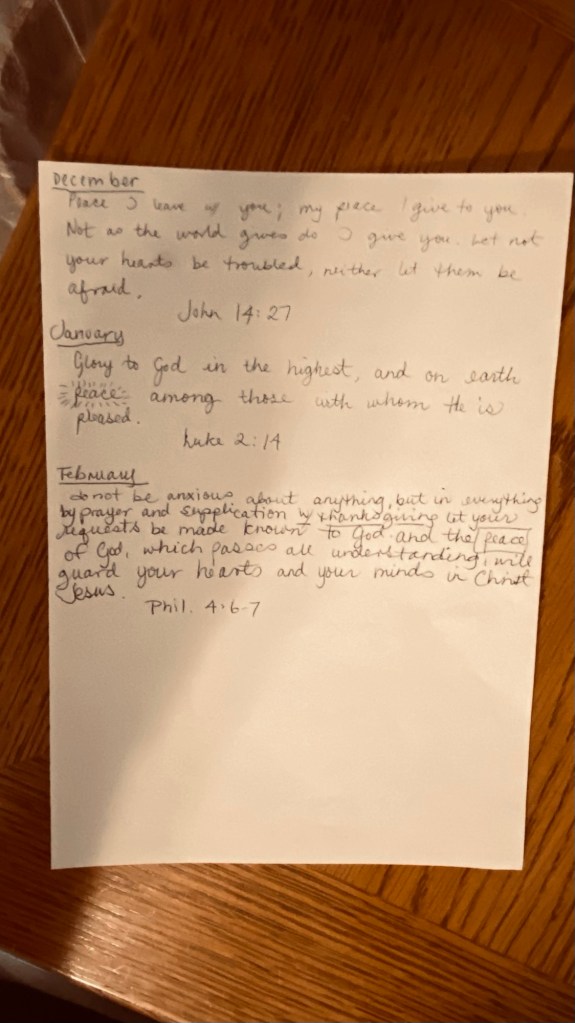
IDEA 3: See the inside flyleaf of your Bible as your “pocket.” I have a slip of paper readily available with at least five things that I can think thanks for. I want my eyes to often peruse that paper. We need reminders. We need them often.

Just as a side note ~ that seven year old boy who imagineered “pockets of thankfulness” just happens to be my precious grandson. #thinkful

“The unthankful heart discovers no mercies; but the thankful heart will find, in every hour, some heavenly blessings.”

Henry Ward Beecher

Release Yourself Through Forgiveness

Opportunity for Wisdom

She lied! There was actually no doubt about the action. It was a blatant, outright falsehood. How could Sam forgive her? The damage to his trust, to their relationship, had been done. Why did he need to tell her the truth anymore? Why not betray her trust as she had done his? That seemed fair.

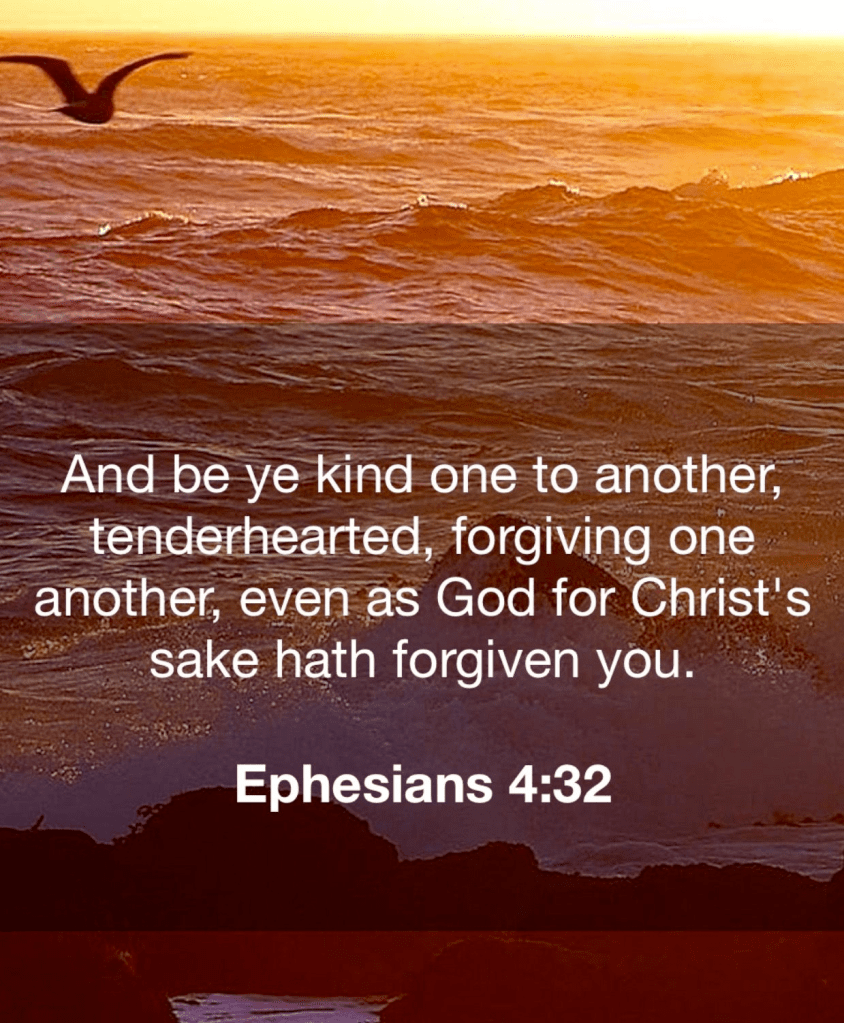
As Sam met with his friend and shared about his pain and anger, the friend pointed him to Ephesians 4:32. “Be kind to one another, tenderhearted, forgiving one another, as God in Christ forgave you.” The contrast was glaring. Sam’s friend suggested that the response to the hurt be kindness in return. What??

In Scripture, we often see the irony of opposites. Tozer once wrote about these opposites. “[A Christian] empties himself in order to be full, admits he is wrong so he can be declared right, goes down in order to get up, is strongest when he is weakest, richest when he is poorest, and happiest when he feels worst. He dies so he can live, forsakes in order to have, gives away so he can keep, sees the invisible, hears the inaudible and knows that which passeth knowledge.”

Now, when we have been mistreated, abused, and sinned against, it is correct to confront in love and to speak truth to the offender. But you also need to forgive, not because they deserve to be forgiven, but because God through Christ, has forgiven you. We don’t forgive because we don’t really appreciate the depths to which we ourselves have been forgiven.

Forgiveness Linked to Being Th(i)nkful

When a person is working through what it means to forgive and not harbor bitterness, there’s a battle within. It feels wrong that the offender doesn’t get what they deserve. And then there is an ‘aha’ moment when we realize that we don’t forgive an offender because they deserve to be forgiven. We forgive because we are so enormously thankful for how God forgave us through Jesus. Forgiveness begins with thankfulness. How thankful we are that we didn’t get what we deserved!!

Think about this admonition.

“Bless those who persecute you; bless and do not curse them. Rejoice with those who rejoice, weep with those who weep. Live in harmony with one another. Do not be haughty, but associate with the lowly. Never be wise in your own sight. Repay no one evil for evil, but give thought to do what is honorable in the sight of all. If possible, so far as it depends on you, live peaceably with all. Beloved, never avenge yourselves, but leave it to the wrath of God, for it is written, ‘Vengeance is mine, I will repay, says the Lord.’ To the contrary, ‘if your enemy is hungry, feed him; if he is thirsty, give him something to drink; for by so doing you will heap burning coals on his head.’ Do not be overcome by evil, but overcome evil with good.”

Romans 12:14-21

As we think thanks about God’s forgiving us for the millions of evil thoughts, motives, actions and words we have had through our lifetime, and continue pondering the new foundation of the Word, the Spirit and a clean conscience He has given us to stand on, we can release the stone of unforgiveness towards the one who has maltreated us. It may take time. It may need to be worked through with a counselor. But as we think thanks on how God has forgiven us, it gives us a motive to forgive, too.

Releasing Them Releases Us

We don’t forgive others just because we have been forgiven. We also forgive because harboring bitterness and waiting to take revenge is a toxin that poisons us, not them; a cage that imprisons us, not them. Harboring unforgiveness and bitterness has mental, emotional, and biological consequences for us.

There is a release and renewed vigor when we choose to forgive. There is a wonderful freedom that comes from forgiving a person that has hurt us, even if that person has since died. God has created us and He knows that forgiving is what will eventually bring deep healing. The irony is that people often hug their prison cage and sip at their poison. God forgives us so that we can release others and thereby release ourselves. The Lord will deal with the wicked and the unrepentant.

Sure, the optimal scenario is when the offender comes and seeks forgiveness. Until then, we give “accorded forgiveness” based on our own resources as those who are thankful that we have been forgiven much. But when an offender seeks forgiveness, then we enthusiastically give our “completed forgiveness.” Forgiving doesn’t mean forgetting, but it is one big decision followed by a thousand small decisions not to bring the matter up again by way of revenge. Forgetting is weakness. Forgiving is strength.

To forgive is to imitate the God who forgave us and continues to forgive us even when we fail to ask. We are so very thankful for His steadfast love and faithfulness, and our forgiving others begins with that thankfulness.

“We don’t forgive because we don’t really appreciate the depths to which we ourselves have been forgiven.”

David Brown

Who Is Your God?

Do You Know Who Is Your God?

A thinker recently told me, “Every mature man needs to figure out who is his god.” I liked that. Do you know who is your god and how you worship that god? You do worship, you know. Whether you are aware of it or not. Every human being worships something or someone.

Do you realize that with any other god beside the One True God, you can never be fully thankful.

A god, or idol, is anything that wins over the true God when two ways diverge. When you come to a fork in the road that requires a choice, you pick what you worship.

Counselors have identified three main gods or idols: the god of comfort, the god of control, and the god of people-pleasing, but they take on varied mantels to attract us and pull us in.

Tim Keller identified several similar Idols: power, work, achievement, image, dependence, independence, religion, irreligion, inner ring, racial/cultural, ideology, materialism, family, relationship…..

Most of us feel a pang of guilt when these idols are mentioned. Most of us could raise our hands that we battle with more than one. There is one sure thing: these gods always disappoint and fall short. These gods will leave you unthankful because they cannot be relied upon.

If you have formed a relationship with the One True God, Yahweh, His character and promises are unchanging, and though His ways lead into deep darkness at times, we know that He is micromanaging every detail for His plan and glory and for our good.

You want to worship such a God the way that He desires you to worship. He desires to cleanse you from your sin and to make you new. His new life and indwelling Spirit changes you from the inside out. He begins to renew your mind as you put off the shackles that belong to another god, and put on the things that please the true and righteous God.

As we conform to the image of the Lord Jesus, we become less us and more Him. We live life with a different perspective than someone who lives for the deceptive and disappointing gods of this world. One of the elements of Christlikeness is to live life thinking thanks to the Father (Matthew 11:25, Luke 10:21, John 11:41, Colossians 1:3).

As we think thanks, we learn to see His fingerprints in our every day lives. Our minds look for things to give thanks for on a continual basis.

The beautiful thing that happens to us when we worship the One True God is that He satisfies us. In His presence is fullness of joy (Psalm 16:11).

Deep Darkness

One of the true tests of what your worship happens when you are going through difficulties. It is easy to be thankful and trust God when things are going smoothly.

What about in ‘deep darkness?’

Psalm 23:4 says that even though I walk through the valley of the shadow of death, I will fear no evil, for You are with me; Your rod and Your staff, they comfort me.

The “shadow of death” can be literally translated as “deep darkness.” Even in the times of deep darkness I do not need to fear evil. The reason the psalmist gives is because the Shepherd is with me, His rod and staff comfort me. If you have the god of comfort, you will be very uncomfortable. If you have the god of control, you will be outraged. If you have the god of people-pleasing, you will struggle to keep your friends and family happy in the deep darkness.

Thinking thanks even in the deep darkness seems almost impossible even with the One True God. It feels like it is hard just to breathe. Yes, it is very hard. And it may take a long time before we are able to get to the point where we can even contemplate thinking on something that we can be thankful for.

But when we finally look up, we will see that we did not wander off on our own; the Shepherd has been there. Then we can begin to see things that are gifts from the Shepherd, and then follows a slow release of a deep joy that builds as we gain perspective from a distance.

He has not left me to wither up by myself. He is with me!

Just that thought is enough to give you cause for thinking thanks. He has not forsaken me. He cares about me intensely. He has even counted all the hairs on my head. He loves me with an everlasting love that will not end (Jeremiah 31:3).

God’s Trusted Character

So who is your god? Do you know? Have you identified who it is?

The gods of this world that I am tempted to worship are temporal. They do not satisfy. Yes, maybe there is quick, temporary satisfaction, but they will never follow you into the deep darkness. Only One Shepherd will.

If you worship the God of the Bible, you have the confidence that He is the Blessed Controller of all things. He will work all the difficult things together for my good, conforming me into Jesus’ likeness.

Actively pursue thinking thanks. Figure out a way that works for you. Whether you say it orally to someone daily or write it down or make a voice message to someone. Weave it in to the fiber of your life. Obey the Shepherd who walks with us and guides us.

“Give thanks in all circumstances; for this is the will of God in Christ Jesus for you.”

I Thessalonians 5:18

Every Monday

It’s Deliberate

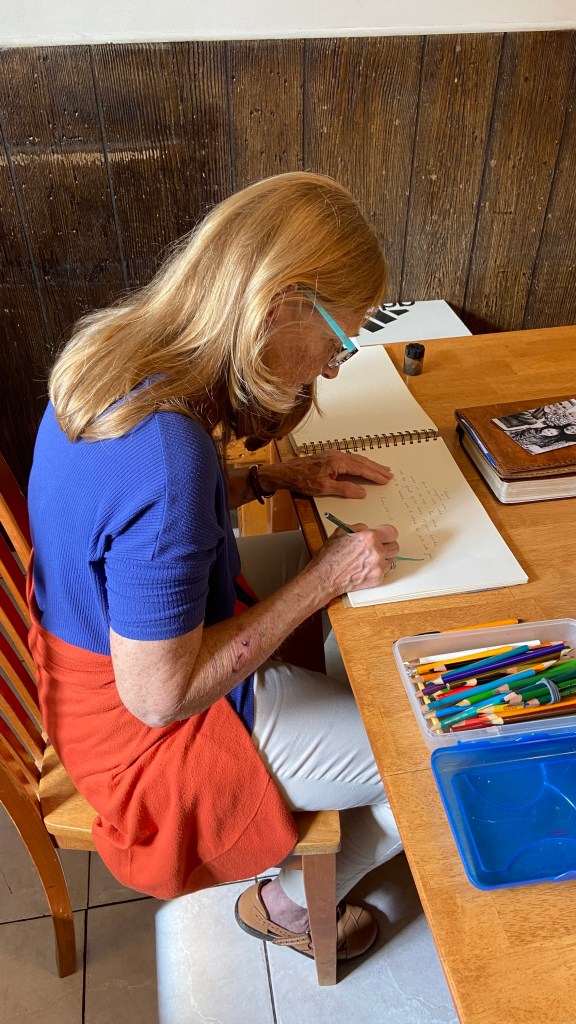
Every Monday we send each other a thinkful list. Our brains search through our immediate situation and we deliberately find things that we can think thanks about. We have done this now for over two years. It is amazing to me that when I read my friend’s thinkful list, I always feel edified. I know that she has hard things in her life, but she chooses to focus and draw out things for which to give thanks to the Lord.

Being th(i)nkful is choosing to deliberately focus on the good in our good times and the good in our bad times.

“I will ponder all your work, and meditate on your mighty deeds.”

Psalm 77:12

Why?

So why do I need to go through the discomfort of forging new brain neural pathways of finding things to think thanks about?

That is a good question. First of all we need to do this because our Shepherd has asked this of us.

He has given a direct command to give thanks in all circumstances that I find myself in (I Thessalonians 5:18). He wants me to ponder His works, His ways, His solutions. It is a good thing for me to trust my Shepherd. It is a good thing to take time out. My Shepherd makes me lie down in green pastures and He leads me beside still waters. Taking 20 minutes out of a hectic schedule to gather my thoughts about what I am thankful for is lying down in a green pasture for a bit. He is pleased. And He restores my soul.

Secondly, this practice will become easier when I have carved that neural pathway deeply. I enjoy thinking about how you can do something more wisely and with less challenge. I can trust my Shepherd’s way because:

“All the paths of the LORD are steadfast love and faithfulness, for those who keep His covenant and His testimonies.”

Psalm 25:10

Wonder in Reine

My husband and I just celebrated our 40th wedding anniversary. David whisked me away to Norway and we had the best getaway ever!! We had been dreaming of going to Reine, Norway and climbing Reinebringen. It is a demanding steep hike to the top of a mountain. On the summit you can see for miles. We got to actually do it!

You can get disoriented driving around all the little roads and alleys in these fishing villages. But up top, you get an incredible overview of where everything is, and how it fits together. God has this kind of view all the time. He sees the beginning from the end. He is the Sovereign One over every nook and cranny and is therefore worthy of our trust.

So if He says, “Karin, give thanks in everything,” I need to heed that. His Spirit is within me and living with me through all of my troubling circumstances. He loves me as He loves His Son who went through troubling circumstances. He knows that thinking and thanking Him will be for my good, so I need to obey. I desire to discern, delight, and do His will in my life, and He wants me to express thankfulness as a core life-skill.

One last thing! We discovered such wonder at the fjord by Olstinden, Reine. The water was clear and turquoise. Looked quite magical, and we stood in awe at the perfect weather and pristine beauty.

Whenever we see such beauty – whether God-made, or manmade, or just created by computer-generated imaging – eye has not seen, nor ear heard, neither has entered into the imagination, the wonders God has prepared for those who love Him! So we can always be thankful that the future for God’s true children is far better than anything we can see or experience now, as amazing as that might be.

Keep thinking thanks and keep your gaze on Him and His view of your life. Do it every Monday with a friend.

Even in the Cesspool

Not the Cesspool!

It smells so bad! Could a person actually get used to toxic odors and it not bother him anymore? Recently I learned about an imprisoned brother who was given the grace to actually overcome the horrid smells of a cesspool and find reasons to be thankful for it.

Chen Min Lin lived during a time and place in history where it was illegal to talk about his personal conversion and the Bible. This pastor shared his faith … to a fault some would say. He was incarcerated for 18 years for this crime. After many years, he was assigned to the dreaded cesspool duty. He felt that he had been given a death sentence.

How could he possibly serve God in the cesspool of this prison, trudging around in a field of filth? But the stink of this field had one distinct advantage (pun intended). He was alone. He would always be alone, and no one would disturb him. And so, it was there in the most awful place that he found communion with his Creator. He would pray, lift up his hands, sing to the Lord, and commune with Him right there in the cesspool as he worked.

It became a treasured place to walk and talk with the Lord, even while cleaning the cesspool. (Click on his name to watch the short video describing his joy of finding joy even in the cesspool.)

How I View My Challenges

How do we view heavy challenges that come our way? I know how quickly I am tempted to complain. Yesterday I was struggling through sitting in a very hot church service. It was a fiery day in the mid-nineties outside and our church was going through load-shedding with no power. So not even the fan would work. I was listening to David teaching a Bible college course for four hours in the afternoon.

As I sweated and tried to fan myself with a paper, I realized how easy it was for me to get irritated with something as little as heat. What about all the Ukrainian believers who are right now freezing to death and starving, going weeks without bathing? My endurance surely was quite lacking. 😦

Oh, how good it is to view our challenges with God’s eyes.

James gives us a great perspective. Hard times build endurance and fully-outfitted maturity:

Count it all joy, my brothers, when you meet trials of various kinds, for you know that the testing of your faith produces steadfastness. And let steadfastness have its full effect, that you may be perfect and complete, lacking in nothing.

James 1:2-4

New Resolve

So whatever my hard thing is presently, thank you, Lord!

These difficulties have a purpose. They are shaping me. God is using the difficulties to create something beautiful in me … if I will allow Him to do that! In some cases, the hard thing ends up being a growth point, or a growth era, in my life. Though I may hate it now, I will look back and see glory in the cesspool … where my gray prison walls were exchanged for a radiant sun and gentle breezes … where a kaleidoscope of watching eyes were exchanged for the freedom of being alone with God.

“For it is all for your sake, so that as grace extends to more and more people it may increase thanksgiving, to the glory of God. So we do not lose heart. Though our outer self is wasting away, our inner self is being renewed day by day. For this light momentary affliction is preparing for us an eternal weight of glory beyond all comparison, as we look not to the things are seen but to the things that are unseen. For the things that are seen are transient, but the things that are unseen are eternal.”

2 Corinthians 4:15-18

Help me, Lord God (Simakade in isiZulu), to worship you on the pathways you have chosen for me. You may call me to cesspool duty. You may call me to endure the trauma and unspeakable losses of war. You may call me to a dithering and withering job. You may call me to a disappointing and discouraging marriage. You may call me to something as simple as sweating in a hot African church. But as you choose my path, also choose your largest vial of grace and pour it out on my soul to see Your fingerprints, Your opportunities, Your promises, and Your image being formed in my person.

Hardships often prepare ordinary people for an extraordinary destiny.

C.S. Lewis