Identity
I have red hair. I used to hate it when I was growing up, but I got used to it … and now because my husband loves it, I actually like it. 🙂 I couldn’t really change that I was born a redhead.
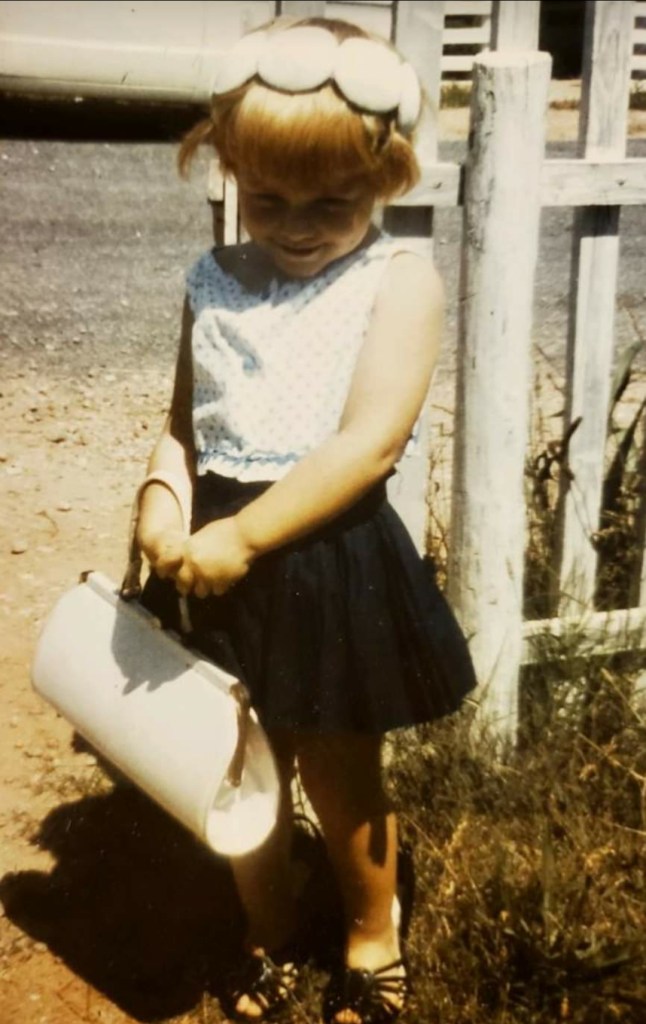
I also couldn’t change who my parents were. Emil and Asta were my parents and that was out of my control. Another thing I couldn’t change was that I was born a sinner with different propensities.
I struggle with anxiety.
There it is. It is ugly and not right, but I am tempted in that way.
When the Lord redeemed my soul, some beautiful, hope-filled things happened.
I received a new identity.
- I am a child of God – John 1:12
- I am an adopted child – Ephesians 1:5
- I am accepted – Romans 15:7
- I am full in Christ – Colossians 2:9-10
- I am no longer a slave to sin – Romans 6:6
- I am created in the image of God – Genesis 1:27
- I am known before birth – Jeremiah 1:5
- I am part of the body of Christ – I Corinthians 12:27
- I am part of a chosen people, God’s special possession – I Peter 2:9
- I am part of a diverse oneness in Christ – Galatians 3:27-28
- I am bought by God – I Corinthians 6:19-20
- I am hidden with Christ in God – Colossians 3:1-3

Arrest!
When the covid restrictions first started here in South Africa, President Ramaphosa deployed 73,180 soldiers to help enforce the lockdown. The soldiers would arrest, apprehend, seize, and take people into custody who were defying the covid restrictions laid down by law. It was frightening to see the law enforced, but in another way it was refreshing to see that people couldn’t just do what they wanted without consequences.
When the Lord tells me in Philippians 4:6 to not be anxious, it is not merely a little suggestion for me to consider. He forbids it. He says to arrest it! This is something that hits me between the eyes because of my tendency to worry.
Identity
Because I am redeemed, and my sin is something that I am trying to combat and minimize in my life, I certainly will not identify myself by my sin or argue with those who refuse to see me that way.
My identity is not in my anxiety. “Hi, I’m Karin and I’m anxious.” No, I mustn’t identify myself by my sin struggles, and certainly mustn’t say that I can’t help it, that this is just the way God made me. Confessing my faults is one thing, but wrapping my identity around something I am fleeing is quite another.
I must instead identify as a blood-bought and beloved daughter of the King who is no longer a slave to sin. My identity is determined by redemption, not by fallenness. By the future and not the past. “Hi, I’m Karin and I’m a believer in Jesus.” The Lord has promised to slowly and surely conform me to His image in Romans 8:28-29, so why would I keep referencing my old-self image that i am trying to put off?
Jesus wants me to identify as a member of His kingdom, to reflect His values and character, and to identify with a hopeful future with Him. I try to remember this, but wow, sometimes I fail miserably.
Hope
I love how hope is described in Romans:
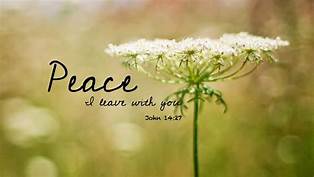
“May the God of hope fill you with all joy and peace in believing, so that by the power of the Holy Spirit, you may abound in hope.”
Romans 15:13
You can be free. You are able through the power of the Holy Spirit to obey the Lord when He says, “Don’t be anxious.” What is super cool is that He tells us how in Philippians 4:6.
Steps from anxiety to hope:
- Bring all your concerns to the Lord. Lay them out before Him.
- Connect your concerns with thankfulness. Think thanks about the challenges that you face.
If we do those two things, Philippians 4:7 promises that the Lord will give us His supernatural peace to guard our hearts and minds in Christ Jesus. That is a pretty nice trade-off. 🙂
Now I know that it is not easy, simple or quick to change life patterns. It is a process. Sometimes a life-long process. The fight is happening in your thoughts. You can choose to ask God to help you think His thoughts. It may take a long time. He patiently walks with us and gives grace.
New Identity
So yes, I have had a struggle with anxious thoughts, but my identity is not in my struggle. My identity is that I am a daughter of the King. He has purchased me and provided me with hope to be renewed in my mind and to obey and follow Him. (Check out a link on this topic).
“Either you will be getting your identity vertically, from who you are in Christ, or you will be shopping for it horizontally in the situations, experiences, and relationships of your daily life.”
Paul David Tripp








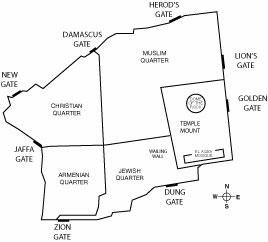

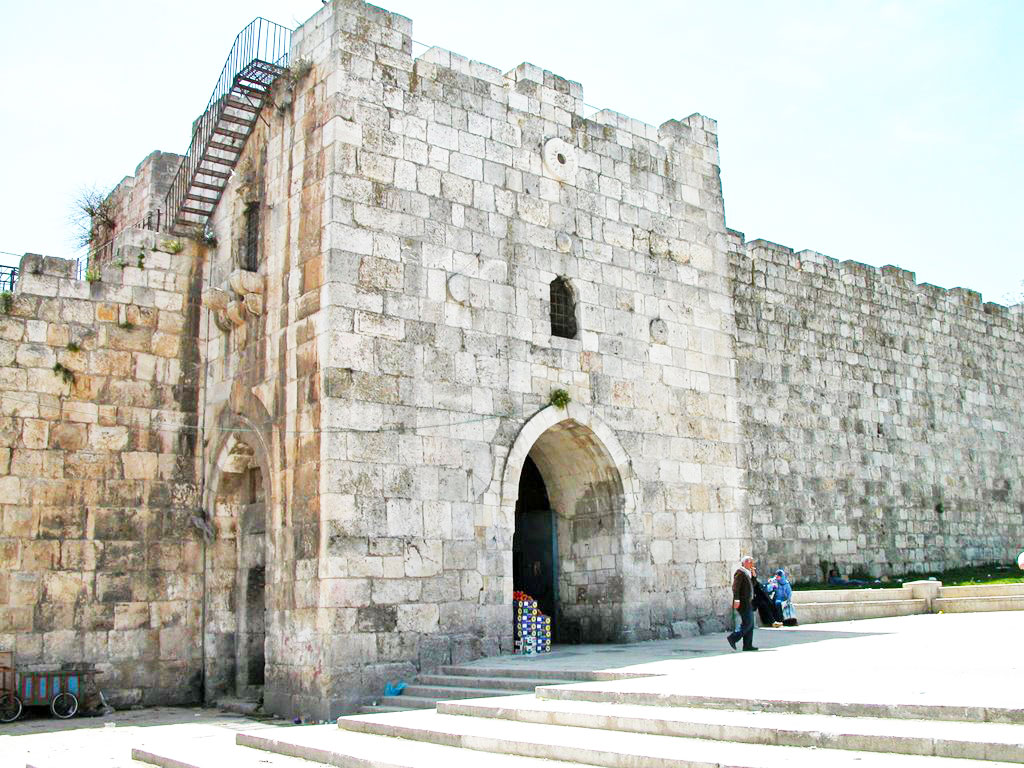
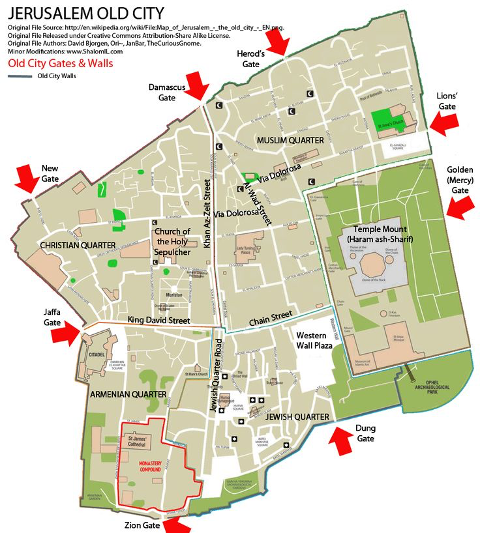
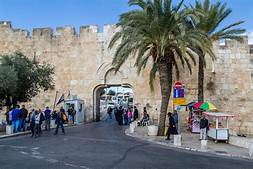 The Dung Gate and the Just Gate could easily be connected by the fact that our just reward for our sin is death. All our righteousness is as dung, filthiness (Is. 64:6). We justly deserve punishment, but God instead has given us His righteousness.
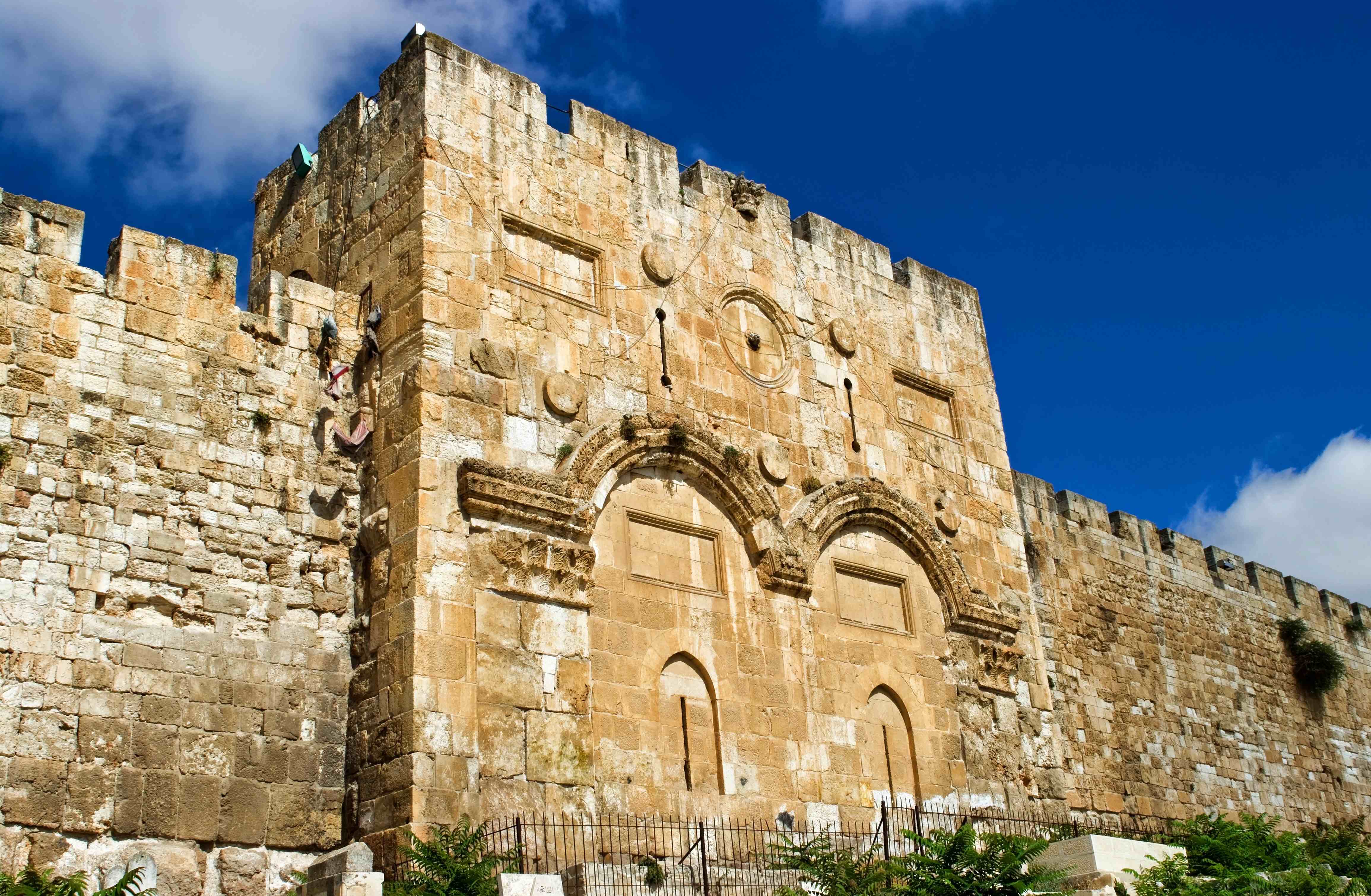 What a neat picture for the Golden Gate to be linked to the Pure Gate. That gate will be opened when the Pure and Holy One comes. The Messiah has already entered the predecessor of this gate once before riding on a donkey a few days before He died to pay for my sin. Soon He will return to claim His rightful kingdom.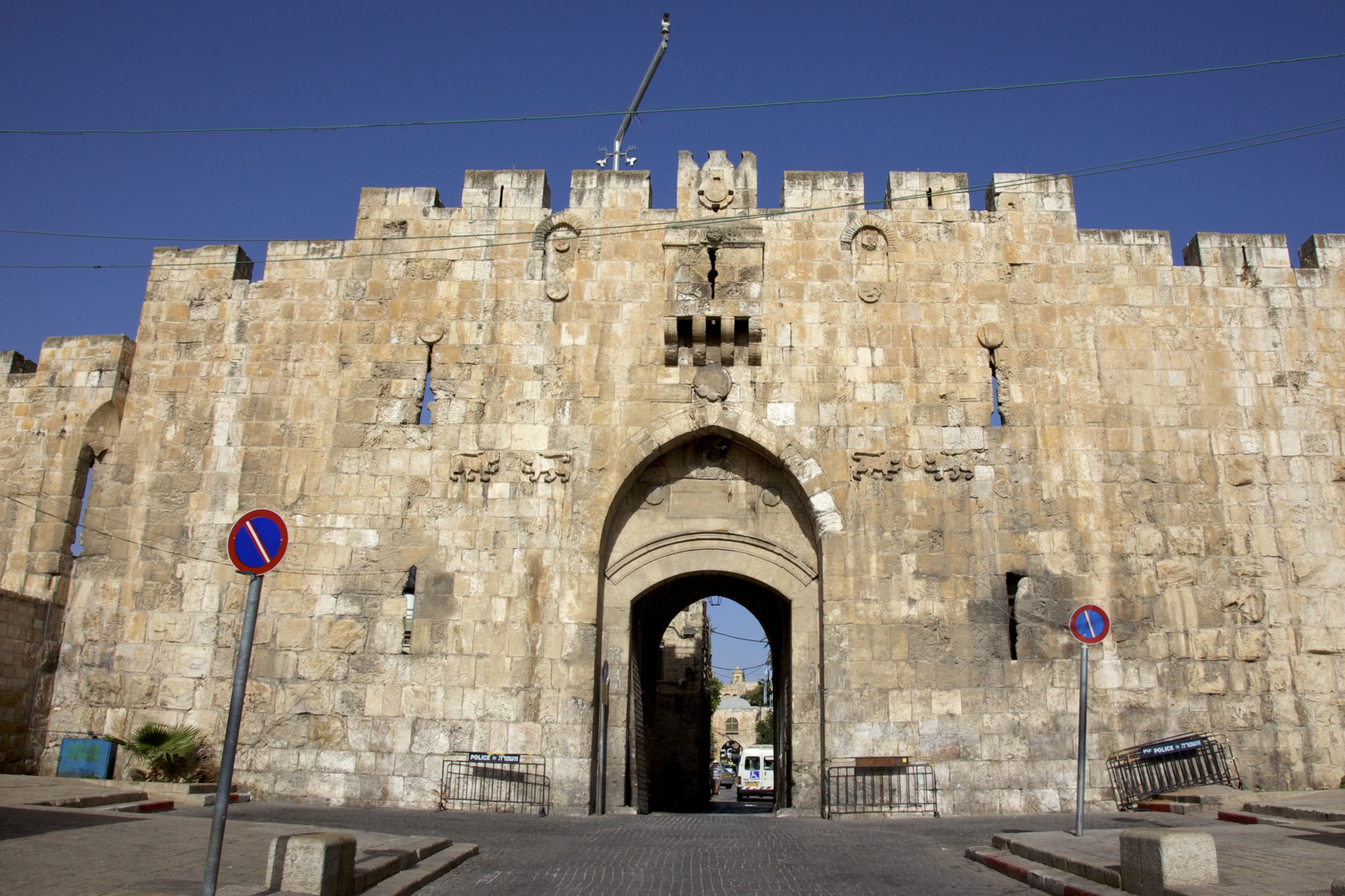
 There is nothing in Scripture about a hill called Golgotha or a mount called Calvary. “The place of the skull” was next to a road; it still is today. Romans crucified criminals beside the main road to teach a lesson to passersby of what happens when you disobey Roman Law.

 when the weather affords it – which is often here in Southern Africa. Today we were discussing the oncoming challenges of Covid-19, and feeling a bit overwhelmed I asked him, “What is a good verse for such a time as this?”

 No surprise. It will probably be the most popular verse for 2020 as well! Humans are typically anxious people. Do any of these words describe you?



 The Apostle Paul used this wardrobe principle in “the twin epistles” – Ephesians and Colossians. If you are following Jesus,
  How often do you put on gratitude? Do you know where it is in your closet? Do you even own the garment? You might need to go shopping.
 Romans 12:2 says we are transformed by renewing the mind – learning to think God’s thoughts. Life isn’t about me; it’s about God. He is not my genie; I am His servant. Earth is the unbeliever’s only heaven, and the believer’s only hell. Hard times aren’t a disaster; God designs them to refine, strengthen, and improve me as an image-bearer of the Creator.
 He said that, in order for us to learn to be good counselors of others, we first had to be able to self-counsel. Our assignment was to identify a sin pattern that we personally struggled with and to track it for six weeks.
 Locating or identifying the temptation is a huge part of victory (James 1:14). Personally I struggle with worry. It is insidious and sneaks into the depths of my soul. I want to comfort-eat to relieve the pressure that I feel and get my mind off the vexatious thoughts. When I react sinfully, I feel badly afterwards because I know that I have not responded in a Christ-honoring manner. So if I am able to shine the flashlight on the temptation by locating it, that is a great start.
 Lord is the next key. We are told in James 1:2 that we are to count it joy when we are tested. Jesus said we should ask the Father, “do not to lead us into temptation.” He doesn’t tempt us with sin, but He allows the situation to make us stronger under pressure (vv. 3-4), and to motivate us to call out to Him for help (vv. 5-8).
 Lingering with the Lord and sharing honestly with Him what I am struggling with, and even what I am tempted to do in sinful reaction, is like releasing the pressure that the temptation builds up. The sin especially flees if I speak it out loud or write it down. You shock yourself as you see your hand spell out the sin.
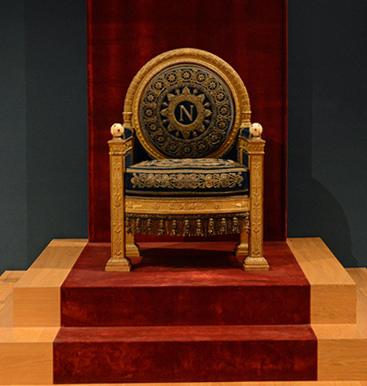 I find that I want to be in control; I want my superior understanding of what is best, my keen sense of order, and my better set of values, to be on the throne. It is difficult to trust that God has everything completely in control and is sovereign. And even if He is in control, He at times does things in a messy and hurtful way; there seems to be no order, purpose, or reason for an illness, an accident, or a financial reversal. Thus, I indict my God and conclude that my way is better.
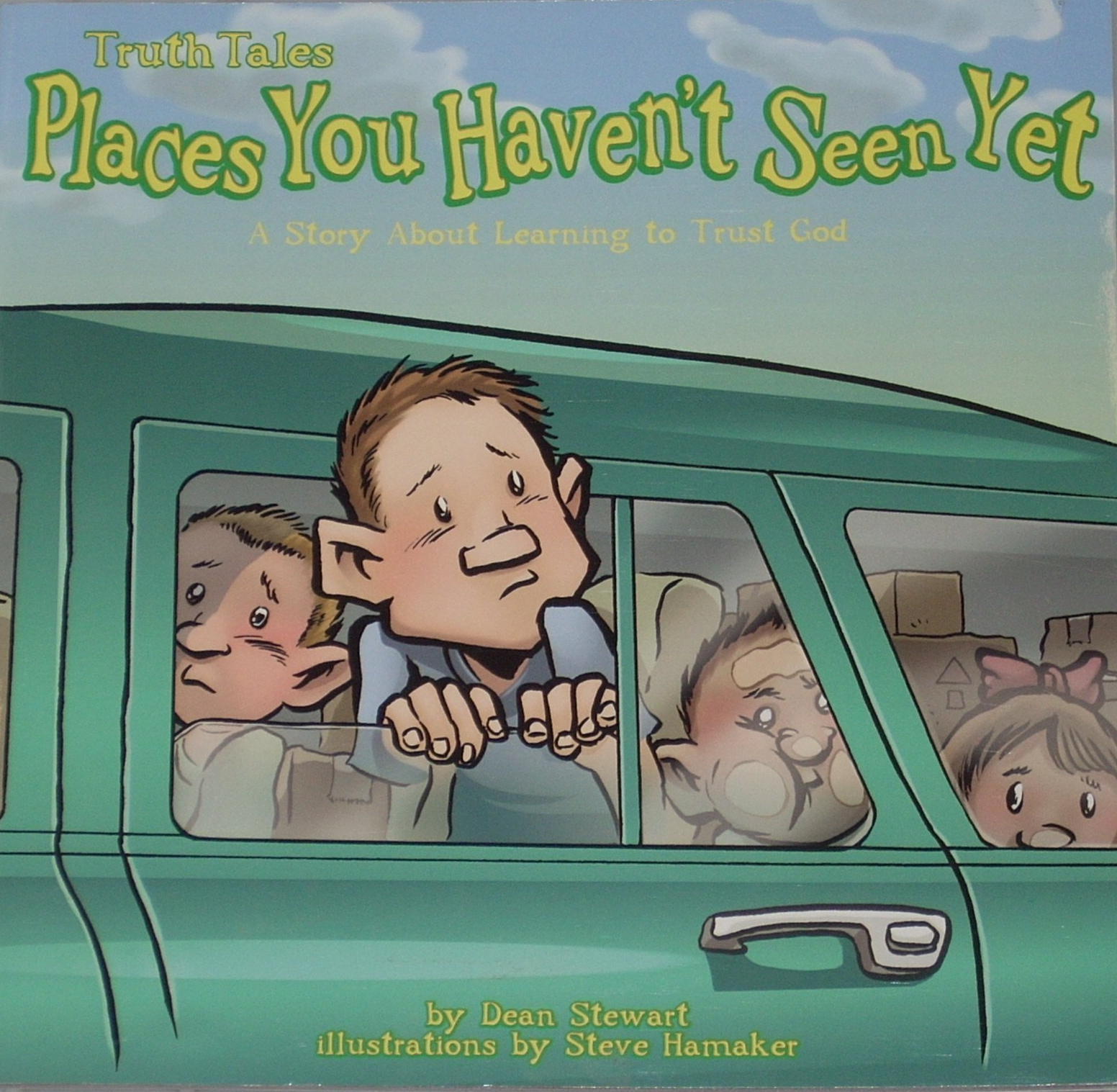 In reading to them I came across this book called
  th(i)nkful